
International Training Program Held Within the Scope of Erasmus Staff Week in Collaboration with İPAM

Sessions organized with the contributions of IPAM as part of the Erasmus Staff Week addressed digital well-being, psychological resilience, and meaningful human connections from multiple perspectives.
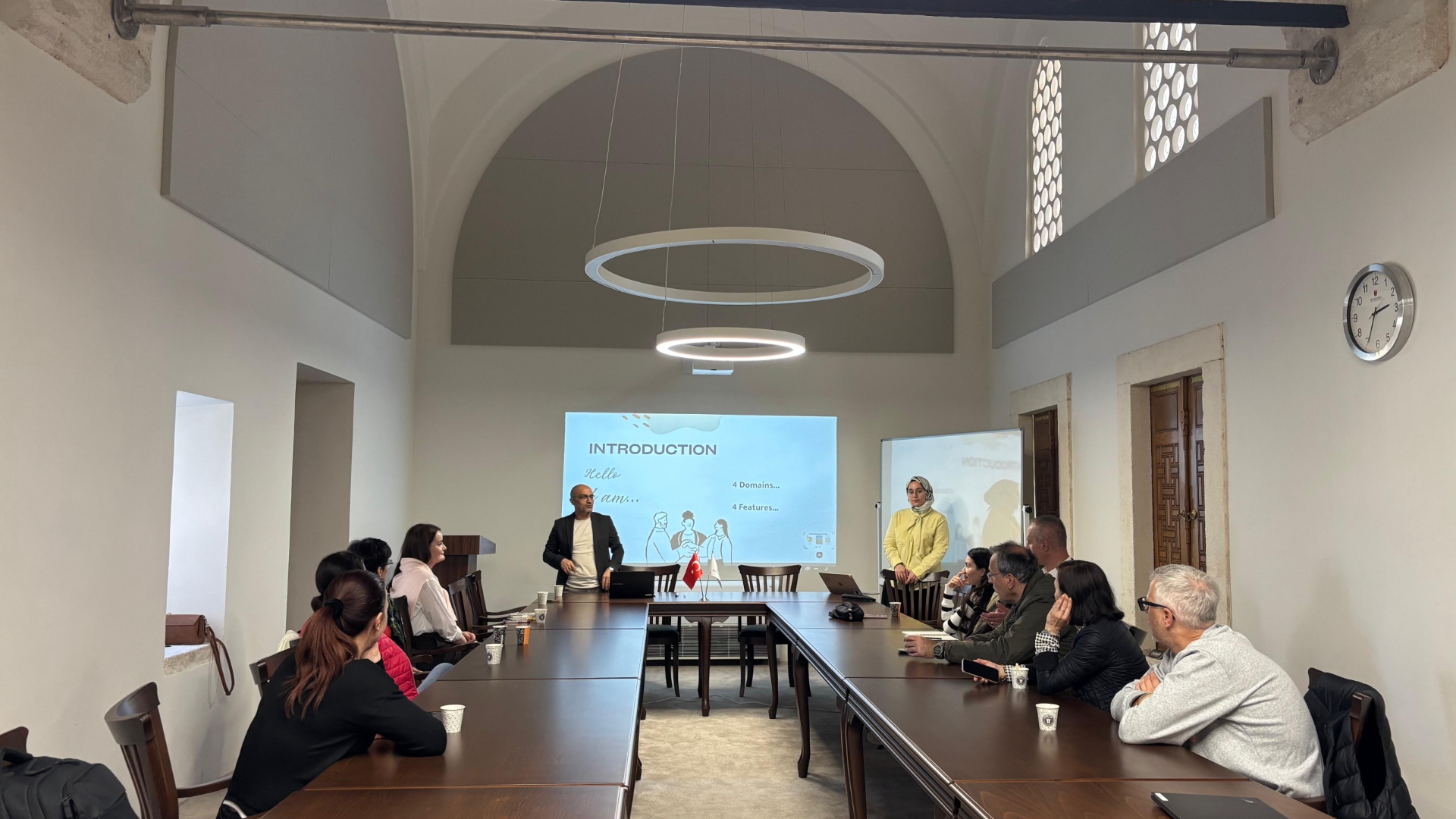
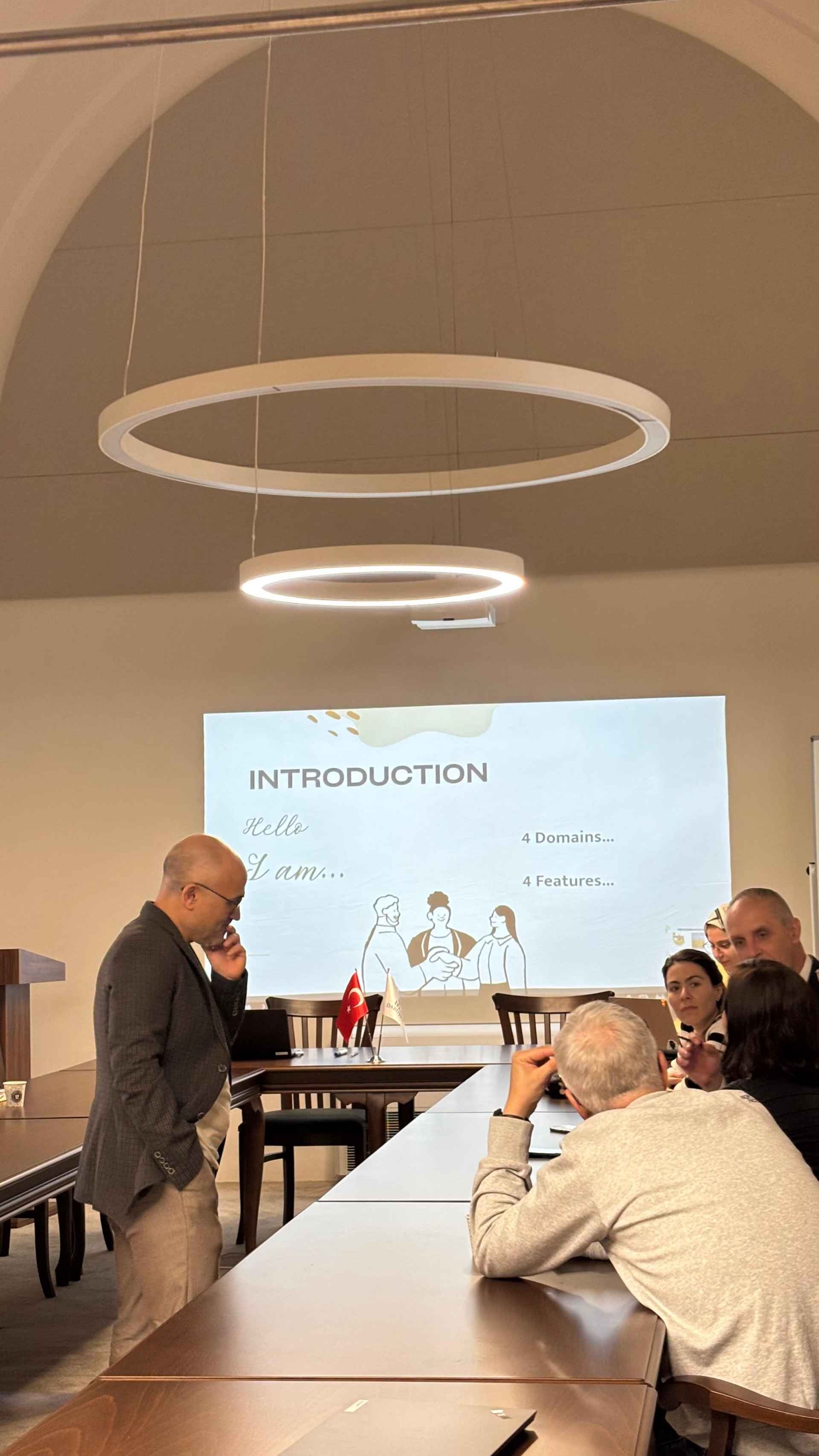
Within the scope of the Erasmus Staff Week program organized by the International Relations Office of Ibn Haldun University between May 4–8, 2026, international academic and applied training sessions were held in collaboration with İPAM.
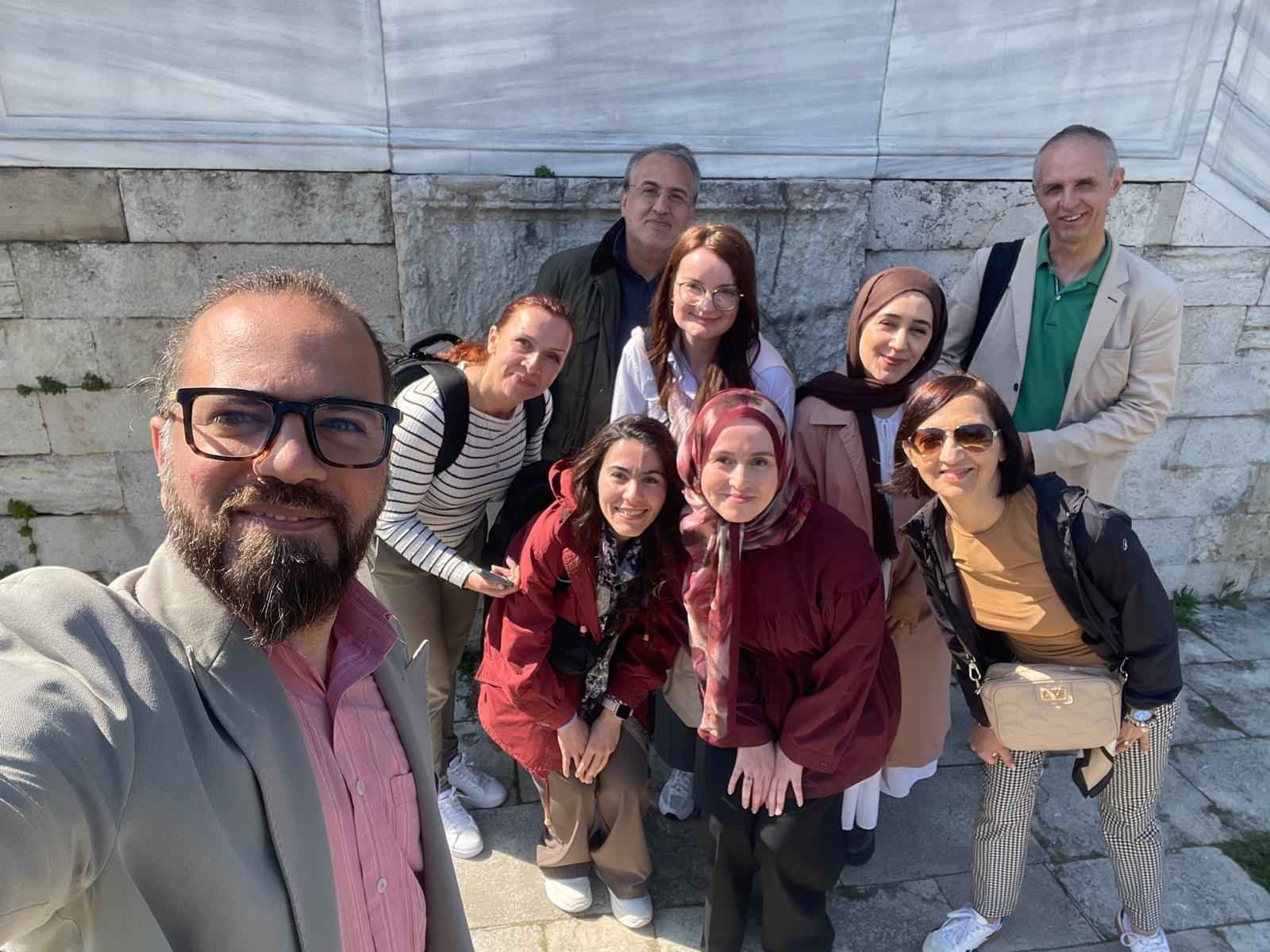
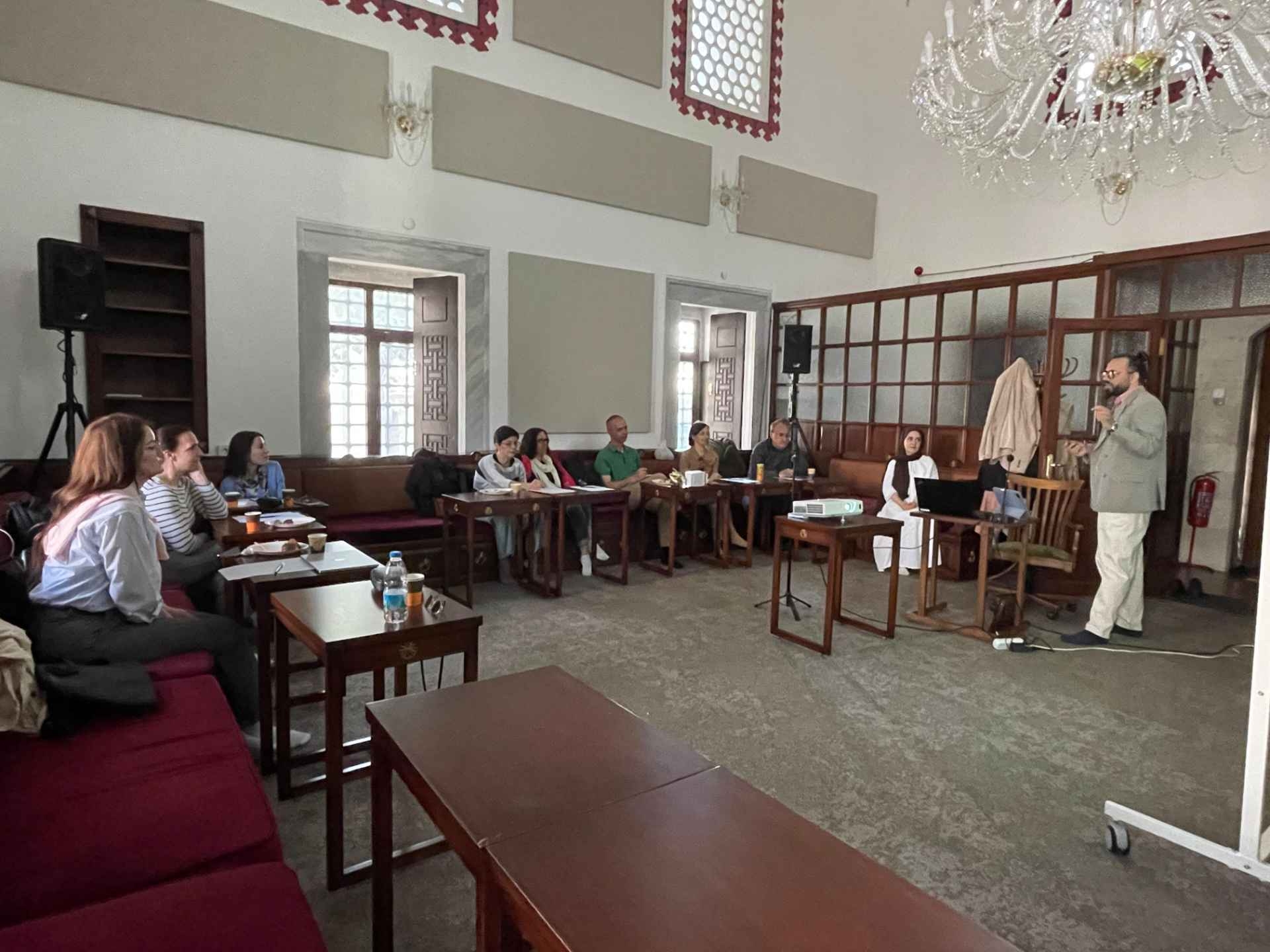
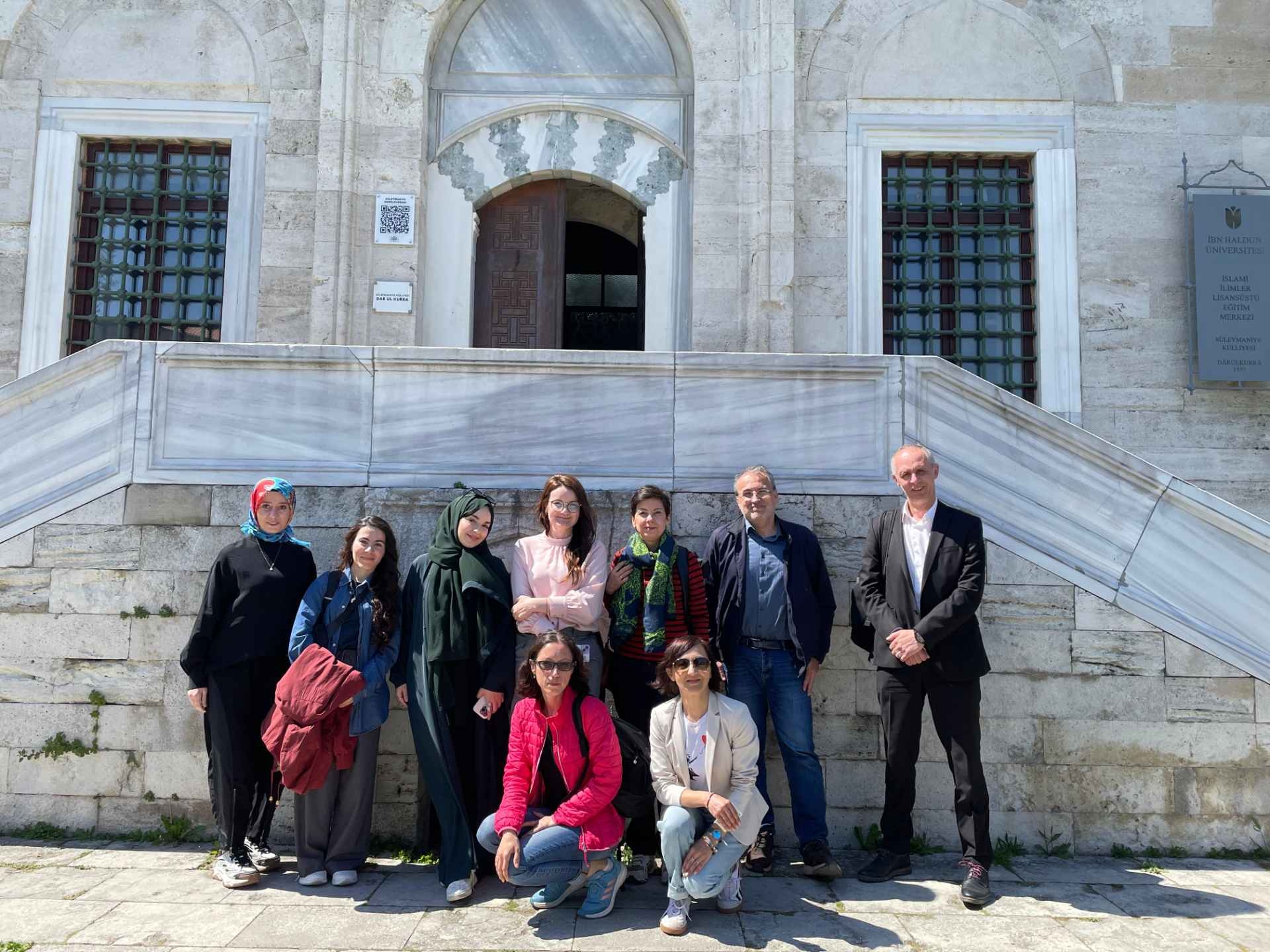
As part of the program, academic and administrative staff from China, Bulgaria, Croatia, Italy, Slovenia, and Bosnia and Herzegovina came together. In addition to academic presentations, the sessions included Q&A segments, workshops, and interactive activities throughout the event.
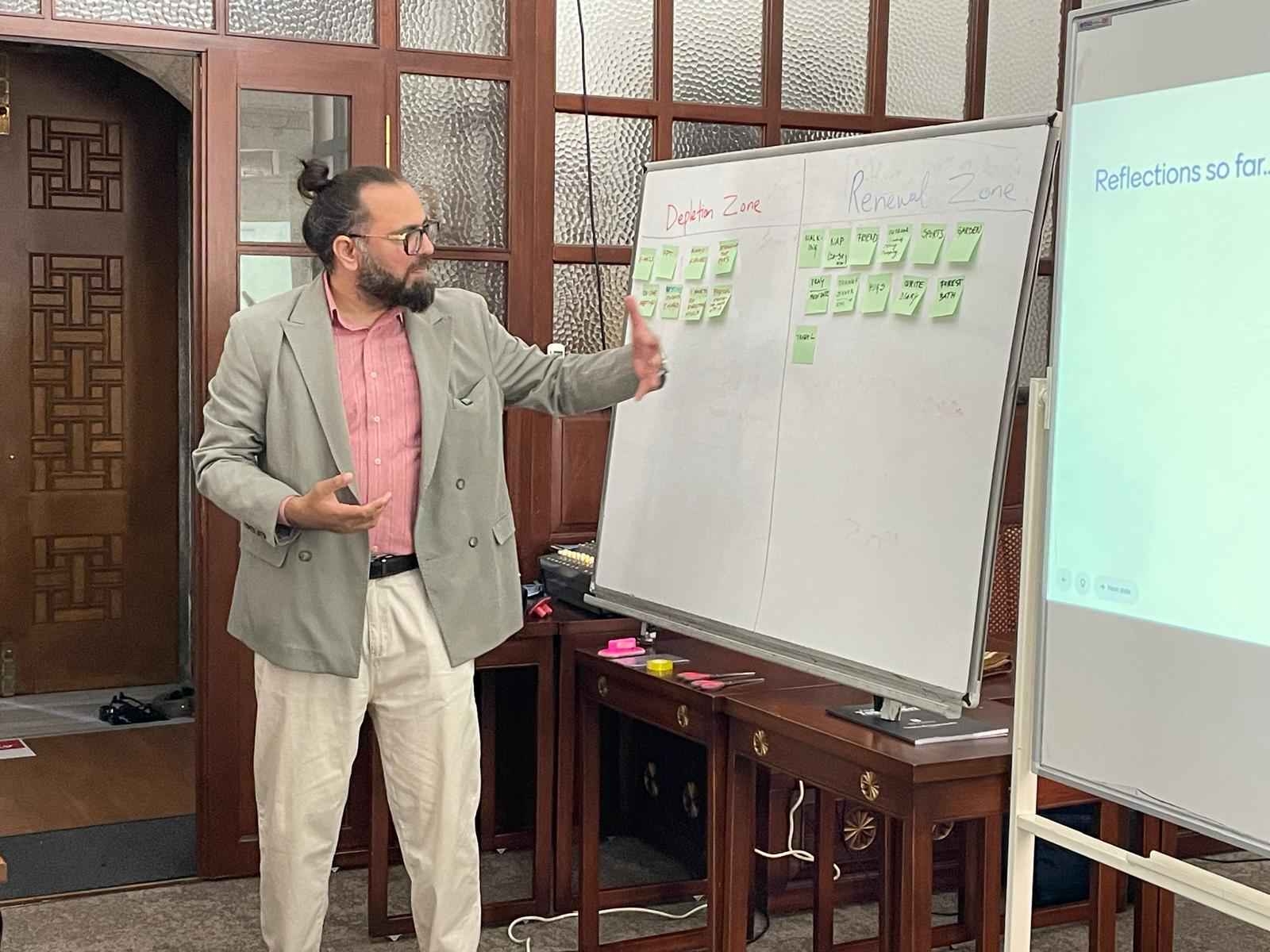
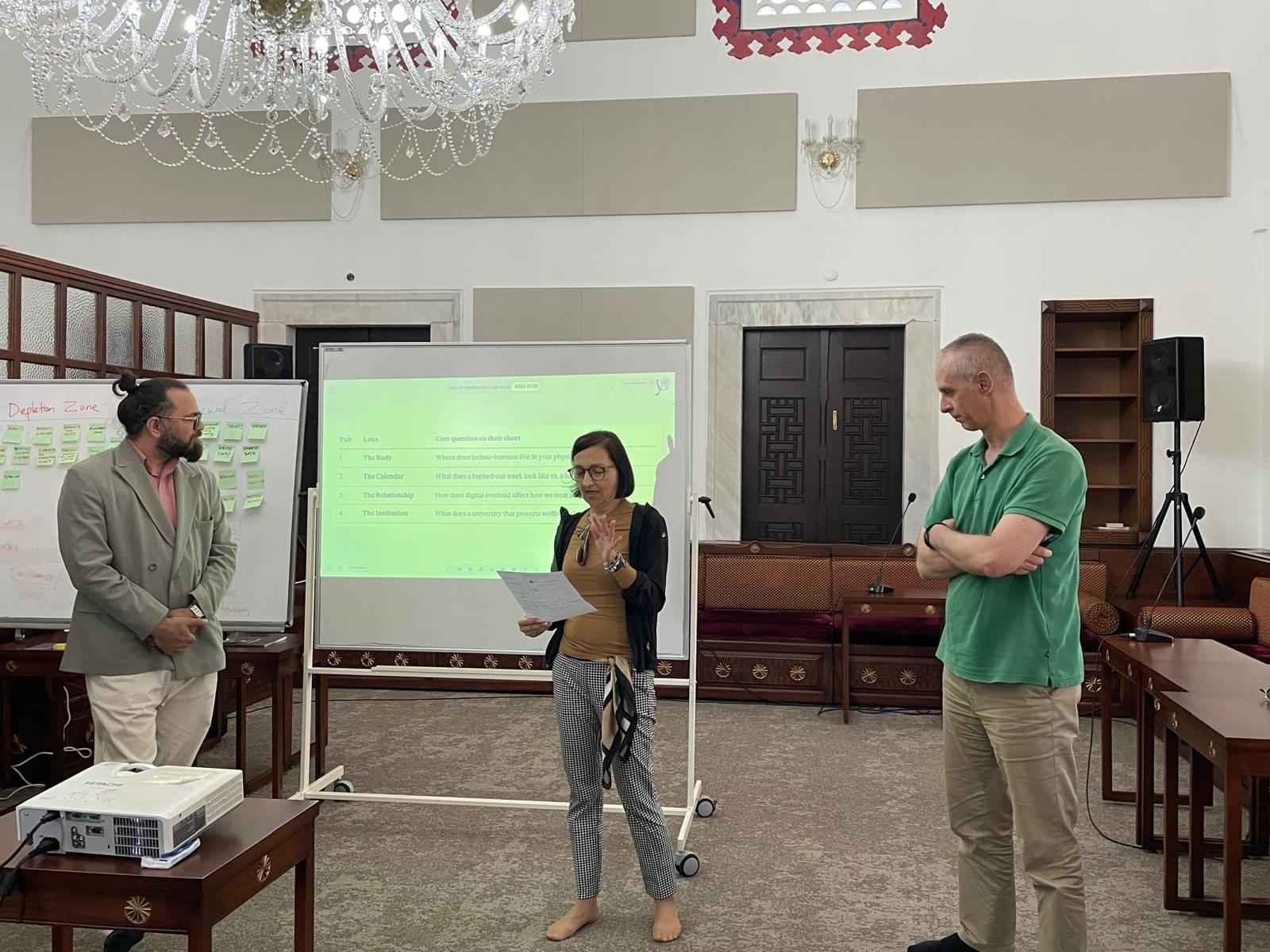
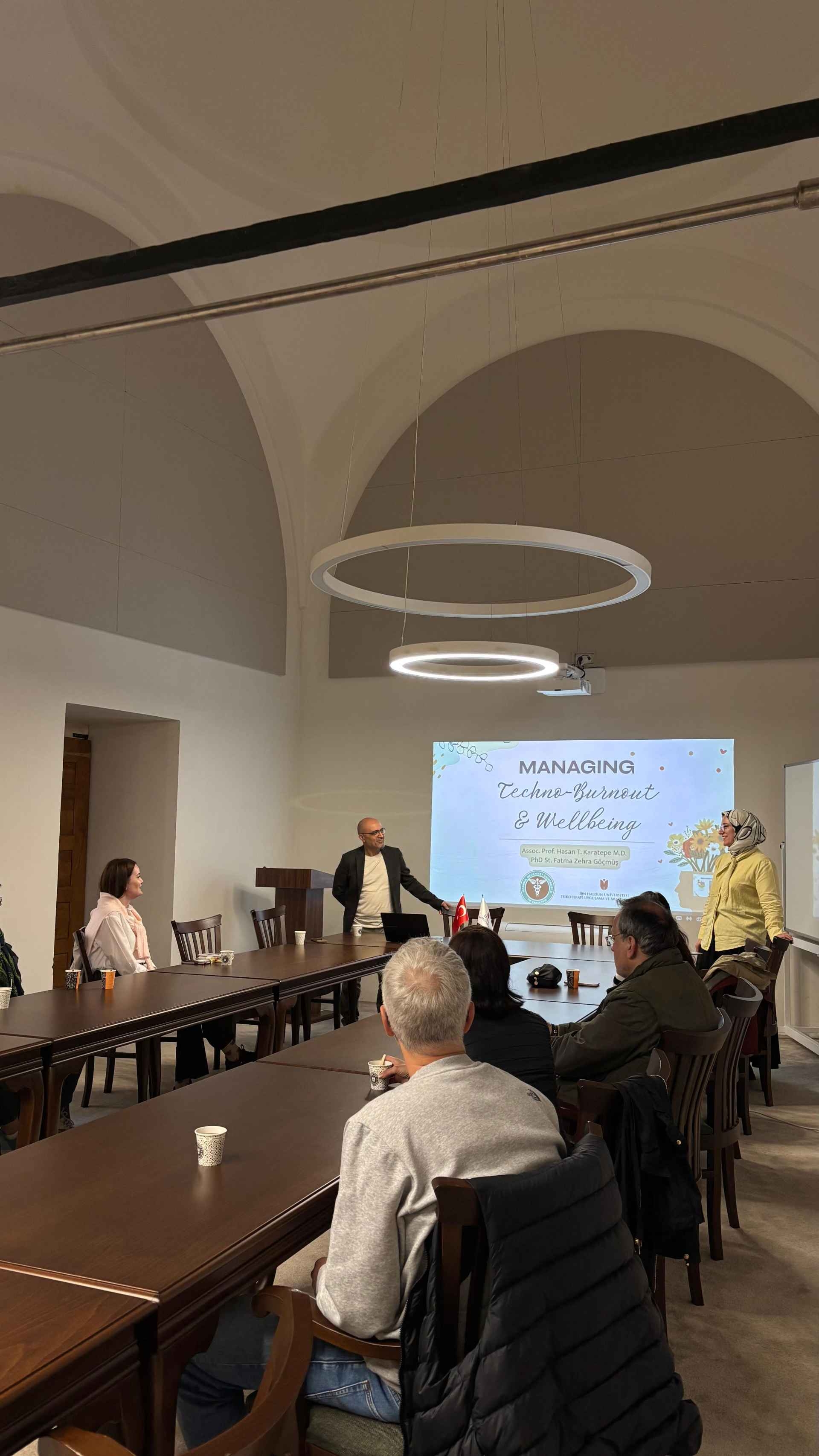
The first session of the program was conducted on Tuesday, May 5, 2026, by Assoc. Prof. Hasan Turan Karatepe. In the session titled “Managing Techno-Burnout & Wellbeing Strategies,” the issue of technology-induced burnout (techno-burnout) resulting from digital academic and professional life was discussed. The session evaluated the effects of digital environments on individuals’ well-being and productivity, while also featuring practical exercises aimed at strengthening sustainable well-being strategies and psychological resilience.
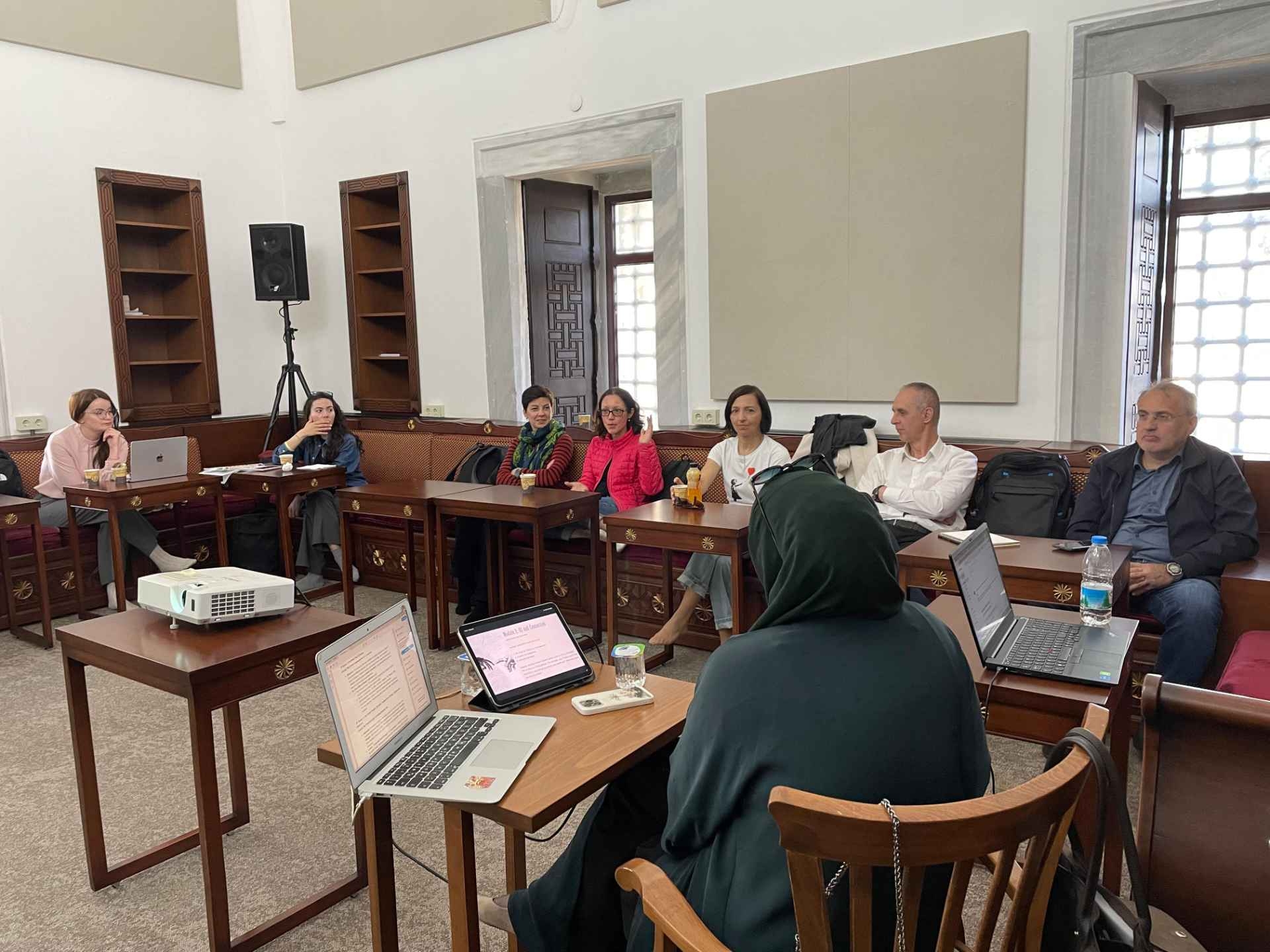
On Wednesday, May 6, 2026, Clinical Psychologist Yaqeen Sikander delivered a session titled “Beyond the Screens: Managing Techno-Burnout & Cultivating Sustainable Well-Being in Academic Life.” The session focused on the cognitive and emotional burdens created by digitalization in academic life. Technology-related stress and burnout processes were examined from a psychological perspective, and participants took part in both theoretical and practical activities designed to support sustainable well-being in technology-intensive working environments.
The final session of the program was held on Thursday, May 7, 2026, by Psychologist Melike Ayşe Ağırman. In the session titled “Beyond Small Talk: The Psychology of Authentic Connections,” the psychological foundations of meaningful and authentic relationships beyond superficial communication were explored. Processes of building trust, emotional connection, and the dynamics underlying deep relationships were discussed through interactive activities.
Throughout the program, İPAM contributed to the development of academic content and the facilitation of interactive sessions, supporting the creation of a multidimensional environment of learning and exchange that brought together participants from different countries.
Photos
Related Content
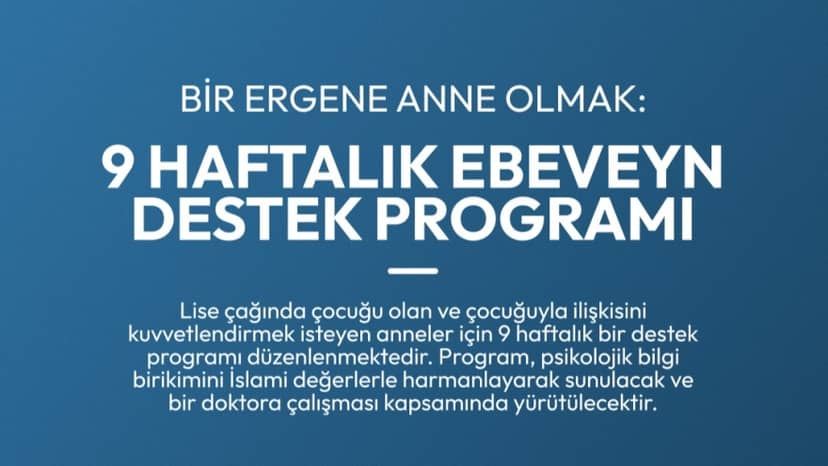
'Being a Mother to a Teenager'

International Success from IPAM Therapist Sümeyye Köten Güçlü
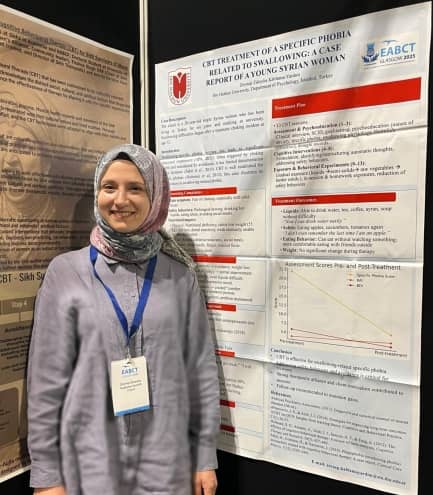
Another Success from İPAM: Zeynep Züleyha Kablama Yardım Awarded the EABCT 2026 Congress Scholarship

“Dār al-S̲h̲ifāʾ Waqf Model” in Psychotherapy

İPAM Participated in the Ibn Haldun University International Day Event

The “Volunteering and Communication in Village Schools Training” was held in collaboration with the IHU Social Responsibility Club.

“Emotion Workshop” Held in Collaboration Between IPAM and IHH

Psychological Assessment of Personality Profiles: Developing Meaningful Insights with MMPI Training Was Conducted
