
“Recognizing and Protecting Boundaries” Training Held

Organized in collaboration with the Human Resources Department of Ibn Haldun University and IPAM, the “Recognizing and Protecting Boundaries” training aimed to enhance employees’ work–life balance, boundary awareness, and emotional regulation skills.
“Recognizing and Protecting Boundaries” Training Held
In collaboration with the Human Resources Department of Ibn Haldun University and IPAM (Ibn Haldun University Psychotherapy Application and Research Center), a “Recognizing Boundaries Training” was organized to support the personal and professional development of university staff.
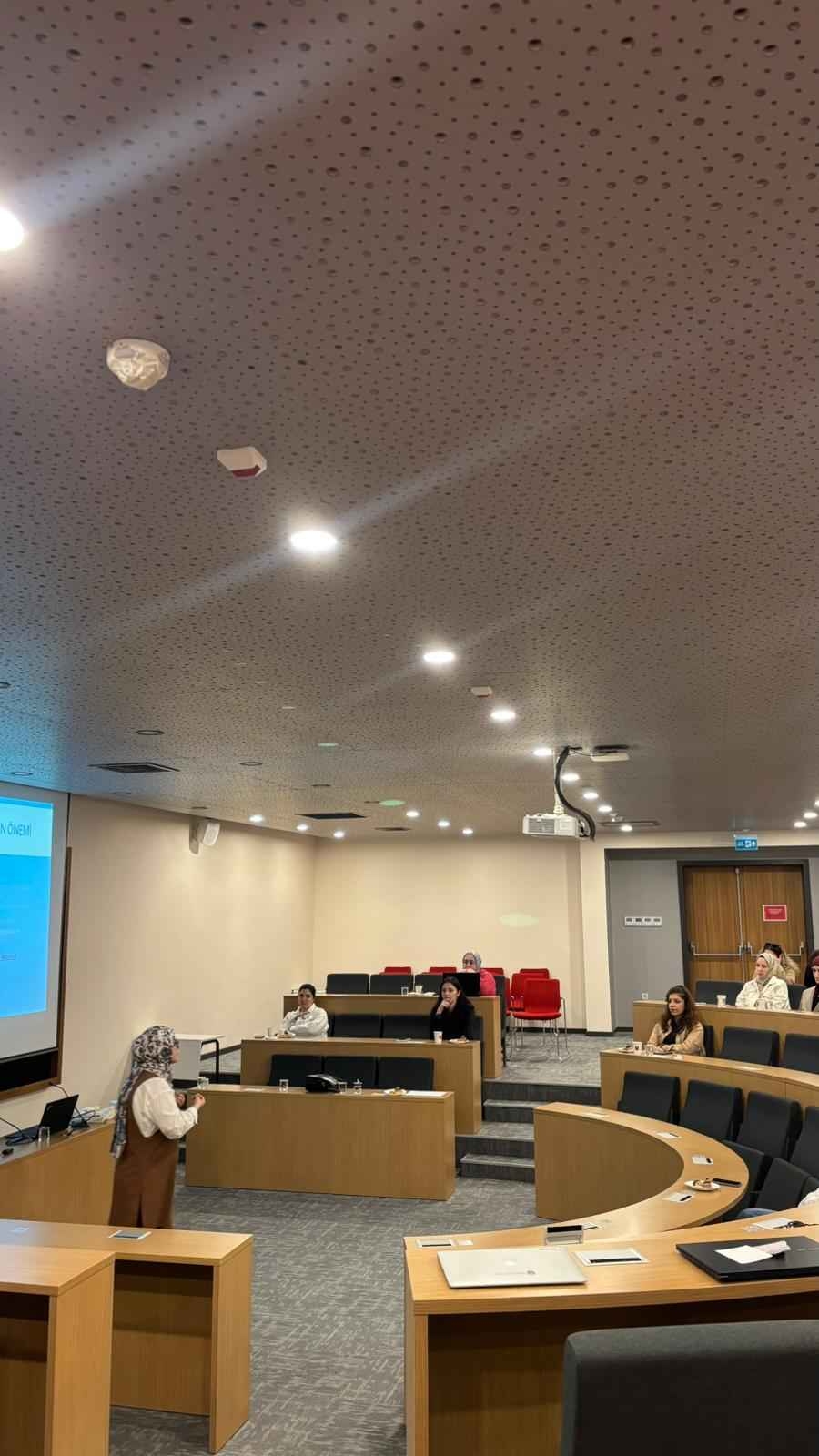
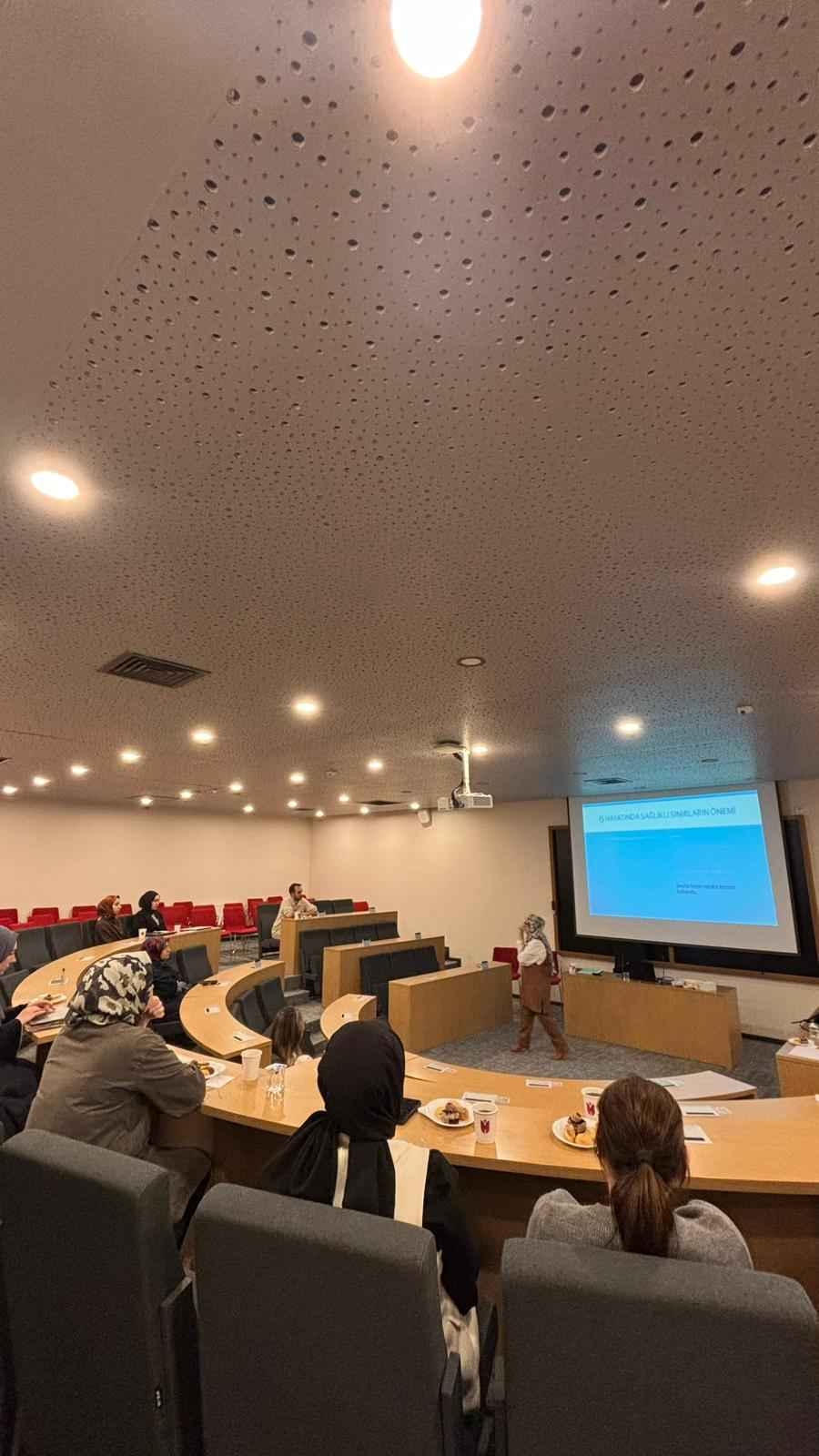
In the program held on April 29, 2026, ways to maintain work-life balance were addressed from an expert perspective.
Boundary Awareness and Emotional Management
Trainer Family Counselor and Psychologist Belkıs Ertürk stated within the scope of the training that setting boundaries means the individual’s ability to protect themselves, maintain healthy relationships, and manage emotional burden. Ertürk emphasized that healthy boundaries are the foundation of both individual well-being and an efficient working life.
What Was Discussed in the Training?
Following an informative presentation, the training continued with an applied workshop, focusing on the following topics:
- Healthy Boundaries in Working Life: Maintaining professional distance and boundary management in work processes
- Recognizing Boundary Violations: Skills to identify boundary violations in daily life and manage these situations
- Preventing Burnout: Solutions against burnout feelings and communication difficulties that may increase in individuals who cannot maintain their boundaries
- Work-Life Balance: Ensuring the sustainability of balance between work and personal life
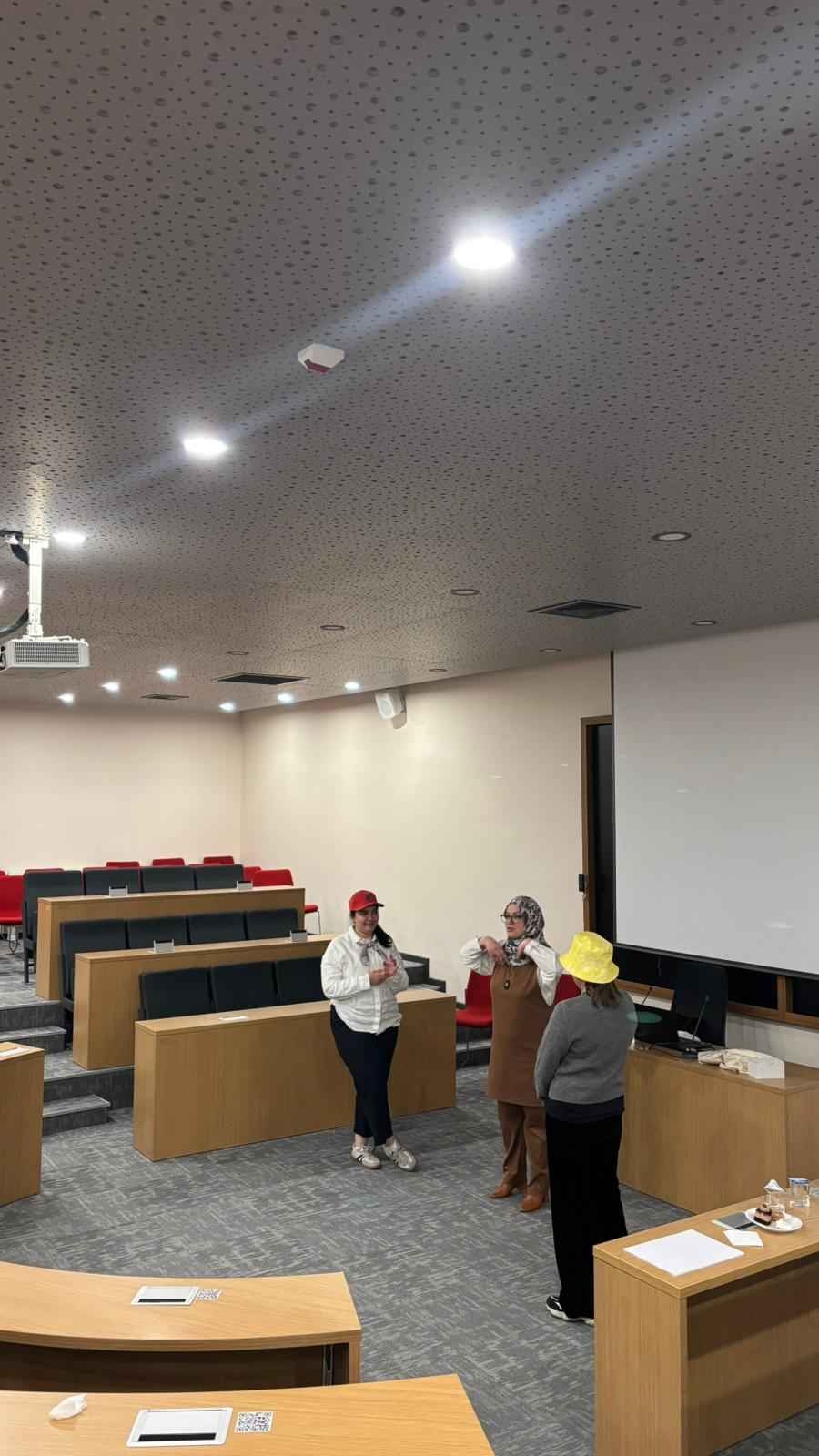
Applied Workshop
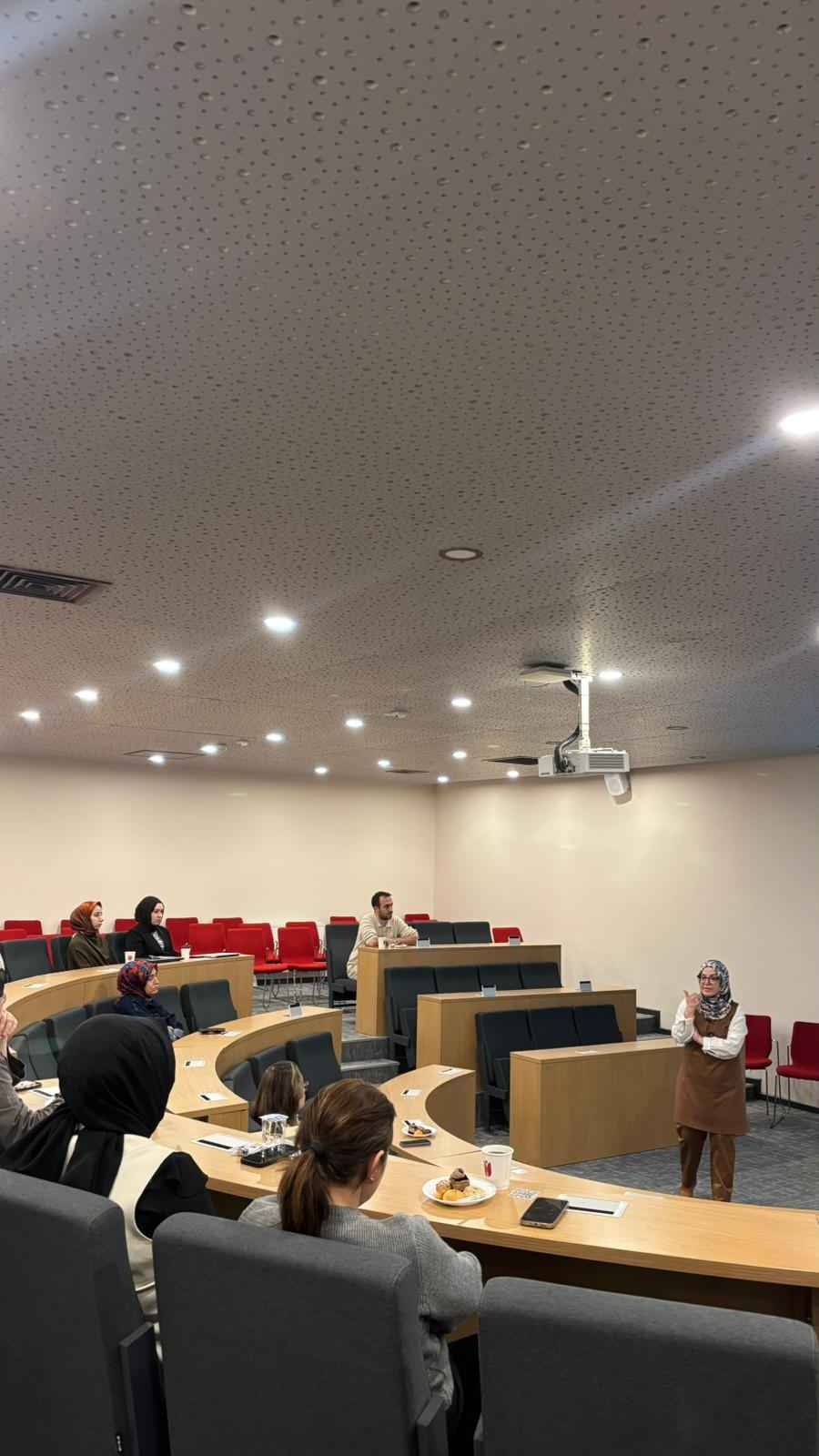
In the second part of the training, through the workshop activity, participants had the opportunity to gain practical skills applicable to daily life. The program was concluded with interactive exchanges aimed at answering participants’ questions and increasing boundary awareness.
Photos
Related Content
'Being a Mother to a Teenager'

International Success from IPAM Therapist Sümeyye Köten Güçlü
Another Success from İPAM: Zeynep Züleyha Kablama Yardım Awarded the EABCT 2026 Congress Scholarship

“Dār al-S̲h̲ifāʾ Waqf Model” in Psychotherapy

İPAM Participated in the Ibn Haldun University International Day Event

The “Volunteering and Communication in Village Schools Training” was held in collaboration with the IHU Social Responsibility Club.

International Training Program Held Within the Scope of Erasmus Staff Week in Collaboration with İPAM

“Emotion Workshop” Held in Collaboration Between IPAM and IHH
